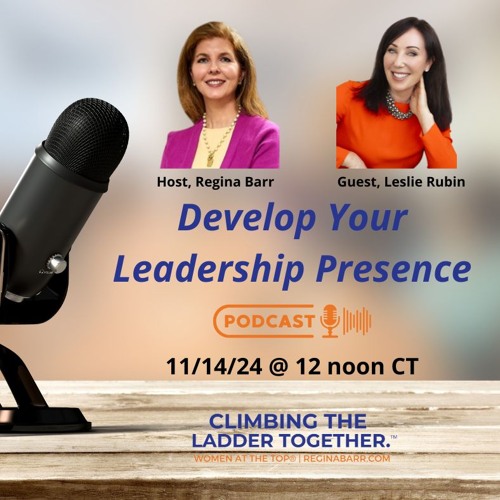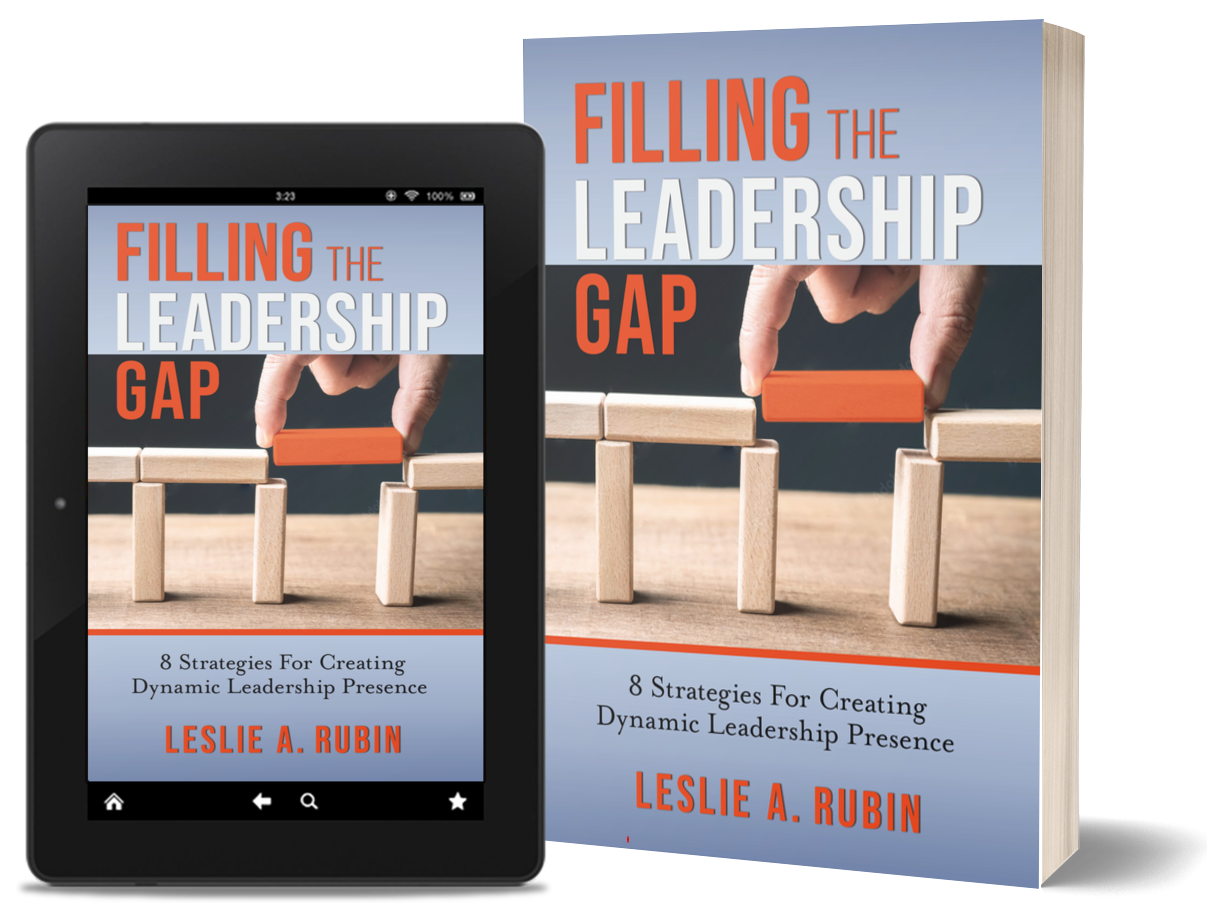
Filling the gap is easier when you are intentional and aware of what’s not working. Being strategic helps you focus your energy on the changes that will have the greatest impact.
Most executives underestimate how much strategic communication speeds up decisions and builds trust. You might feel stuck in lengthy debates or unclear messaging that slows your team down. This post reveals how sharpening your leadership communication sharpens stakeholder alignment, boosts your executive presence, and strengthens your leadership brand. Read on to see how targeted narrative strategy and executive coaching can become your leadership advantage.
Effective communication is crucial in today’s fast-paced business environment. It not only speeds up decision-making but also builds trust among team members. Let’s explore how enhancing your communication skills can lead to faster and more confident decisions.
Strategic Communication Techniques
Strategic communication is about conveying your message clearly and persuasively. It involves understanding your audience and tailoring your message to meet their needs. Start by identifying the key points you want to communicate. Use simple language and avoid jargon. Ensure your message is concise and to the point. This approach will help you connect with your audience and ensure that your message is understood.
Enhancing Executive Presence
Your presence as a leader plays a significant role in how your message is received. To enhance your executive presence, focus on your body language, tone of voice, and the words you choose. Practice active listening to show your team that you value their input. This approach not only builds trust but also encourages open communication.
Effective Leadership Communication
Effective leadership communication involves more than just speaking; it requires active engagement with your team. Encourage feedback and be open to suggestions. This two-way communication fosters a collaborative environment where everyone feels valued and heard. It also helps to identify potential issues early, allowing for quicker decision-making.
Foster Stakeholder Alignment

Aligning stakeholders is essential for the success of any organization. It involves creating a shared vision and ensuring everyone is working towards common goals. Let’s look at some strategies to foster alignment among your stakeholders.
Crafting a Narrative Strategy
A well-crafted narrative strategy helps convey your organization’s vision and values. It involves creating a story that resonates with your audience and inspires them to take action. Start by identifying the core message you want to communicate. Use storytelling techniques to make your message engaging and memorable.
Building Investor Messaging
Investors need clear and concise information to make informed decisions. Your messaging should focus on the value your organization provides and how it plans to achieve its goals. Use data and real-world examples to back up your claims. This approach builds confidence in your organization’s ability to deliver results.
Strengthening Board Communication
Effective communication with your board members is crucial for strategic decision-making. Provide clear and concise updates on the organization’s performance and future plans. Encourage open dialogue and address any concerns promptly. This approach ensures that board members are well-informed and aligned with the organization’s goals.
Building market credibility is essential for any organization looking to succeed. It involves establishing trust and demonstrating your expertise in your field. Let’s explore some strategies to boost your organization’s credibility in the market.
CEO Positioning for Influence
A CEO’s influence extends beyond their organization. It’s crucial to establish your presence as a thought leader in your industry. Share your insights and expertise through public speaking engagements and media interviews. This approach not only boosts your personal brand but also enhances your organization’s credibility.
Media Readiness Essentials
Being media-ready means being prepared to engage with the media at any time. This involves understanding how to convey your message effectively and manage difficult questions. Practice your responses and stay informed about industry trends. This approach ensures that you’re perceived as a credible and knowledgeable source.
Engaging Thought Leadership Strategy
Thought leadership involves sharing your insights and expertise to influence your industry. Develop a content strategy that showcases your knowledge and provides value to your audience. This can include blog posts, articles, and social media updates. By positioning yourself as a thought leader, you build trust and credibility in your field.
Frequently Asked Questions
How can I enhance my executive presence?
Enhancing executive presence involves focusing on your body language, tone of voice, and word choice. Active listening and encouraging feedback also play a crucial role in building trust and credibility.
Why is stakeholder alignment important?
Stakeholder alignment ensures that everyone is working towards common goals, which is essential for organizational success. It involves creating a shared vision and fostering open communication.
How can I build market credibility?
Building market credibility involves establishing trust and demonstrating expertise. This can be achieved through thought leadership, media engagement, and showcasing your organization’s achievements.
I look forward to your questions and comments.